When embarking on a renovation project or new construction, the selection of cabinetry plays a crucial role in both the aesthetic and the environmental impact of the finished space. Homeowners and professionals alike are increasingly seeking sustainable options that reflect an awareness of the role that construction materials play in the health of our planet.
Sustainable cabinetry is crafted from materials that are sourced with environmental stewardship in mind. This includes the use of woods from responsibly managed forests, certified by organizations such as the Forest Stewardship Council (FSC), or the use of alternative, eco-friendly materials such as bamboo, reclaimed wood, or agricultural byproducts. These materials are not only better for the Earth; they can also contribute to healthier indoor air quality by minimizing the release of volatile organic compounds (VOCs) commonly found in traditional cabinetry finishes and adhesives.
Moreover, the durability and longevity of cabinetry are key components of sustainability. High-quality materials and construction techniques that extend the life of the cabinets mean fewer resources are consumed over time, as the need for replacement is reduced. This is not only a win for the environment but also for the homeowner or builder who values investment in products that stand the test of time.
Key Considerations for Sustainable Cabinetry
In residential settings, sustainable cabinetry becomes part of the daily lives of homeowners, shaping the environment where memories are made and reflecting personal values of environmental responsibility.
In summary, the choice of cabinetry material is a significant decision that affects not only the immediate environment of a home or building but also contributes to the broader environmental impact. Sustainable cabinetry is an investment in quality, health, and the future of our planet, making it an essential consideration for conscious consumers and industry professionals alike.
It's hard to find a dedicated kitchen cabinetry and flooring contractor that handles every detail from start to finish, CabStone is ready..When considering sustainable cabinetry for your home renovation or construction project, the material quality is paramount. Not only does the choice of material impact the longevity and aesthetics of your cabinets, but it also has significant environmental implications.
Wood is a classic choice for cabinetry, and when sourced responsibly, it can be a sustainable option. Look for certifications such as the Forest Stewardship Council (FSC) label, which ensures the wood has been harvested in a way that preserves biological diversity and benefits the lives of local people and workers, while ensuring it sustains economic viability. Hardwoods like maple, oak, and cherry are popular for their durability and the beauty they bring to cabinetry. However, it's important to verify that these woods are not from endangered forests or harvested illegally, which can contribute to deforestation and habitat destruction.
Key Considerations for Cabinet Material Selection:
Bamboo is another excellent material for cabinets, often lauded for its rapid growth rate and sustainable harvesting practices. As a grass, it can be harvested without killing the plant, allowing it to regenerate quickly. This makes bamboo a highly renewable resource that can provide a contemporary look and feel to your cabinets. Additionally, bamboo's natural strength can rival that of traditional hardwoods, making it a durable option for cabinetry.
Recycled materials are also at the forefront of sustainable cabinetry. These can include reclaimed wood, which repurposes old lumber from deconstructed buildings, or innovative new materials made from post-consumer or post-industrial recycled content. Using recycled materials reduces the demand for virgin resources and can give your cabinets a unique story and character, all while minimizing the environmental footprint.
As a homeowner or professional in the building industry, the emphasis on material quality and sustainability should be a key factor in your decision-making process. By choosing cabinets made from sustainable materials, you not only contribute to the health of the planet but also invest in quality craftsmanship that can endure the test of time. Remember to research and verify the sustainability claims of any product to ensure your cabinetry purchase is as green as it is beautiful.
The Forest Stewardship Council (FSC) offers a certification that is indispensable for assessing the sustainability of wood products. This certification guarantees that the wood used in cabinetry is sourced from forests that are managed with a commitment to environmental stewardship, social responsibility, and economic viability. For residential homeowners planning kitchen, bathroom, or home renovation projects, and professional builders and developers seeking reliable trade partners for construction timelines, the FSC label serves as a reliable indicator that their cabinetry selections are aiding in the preservation of forest ecosystems and the protection of wildlife habitats, while also upholding the rights and welfare of indigenous communities and workers.
Adhering to the California Air Resources Board's (CARB) Phase 2 standards, commonly referred to as CARB2, is essential for ensuring that wood products, including cabinetry, adhere to stringent formaldehyde emission limits. This regulation is of paramount importance for maintaining indoor air quality, given that formaldehyde is a recognized carcinogen. Products that comply with CARB2 standards give homeowners and builders the confidence that their cabinetry choices not only foster a sustainable environment but also protect the health of occupants.
The Leadership in Energy and Environmental Design (LEED) program recognizes and rewards the integration of sustainable materials into construction projects, including cabinetry. Opting for products that contribute to LEED certification enables builders and homeowners to attain elevated standards of sustainability and operational efficiency in their endeavors. The advantages of this approach can include diminished energy expenses, enhanced comfort and health for occupants, and the possibility of financial incentives, all while advancing global environmental objectives.
GreenGuard Gold certification denotes an exceptional commitment to the quality of materials and the standards of indoor air quality. Cabinetry products bearing this certification have undergone rigorous testing and have been verified to emit low levels of chemicals, thereby enhancing the air quality within residential spaces. For households that prioritize health, particularly those with vulnerable groups such as children and the elderly, selecting cabinetry with GreenGuard Gold certification is a vital consideration.
Beyond certifications, the intrinsic properties of the materials utilized in cabinetry are pivotal to their sustainability. Options like bamboo, reclaimed wood, or agricultural byproducts such as wheatboard are recognized as environmentally friendly choices. These materials typically demand less energy for production and are derived from rapidly renewable or residual resources, thereby minimizing the ecological impact of cabinetry. It is advisable for homeowners and builders to deliberate on the life cycle and provenance of materials when making ecologically sound selections.
When considering cabinetry for your home renovation or development project, one of the critical factors to weigh is the material quality and its sustainability credentials. Selecting durable cabinets is not only a testament to high-quality craftsmanship but also a commitment to environmental responsibility. As a homeowner or builder, the aim should be to choose cabinetry that not only meets your aesthetic and functional needs but also stands the test of time.
Key Considerations for Cabinet Selection:
The frequent replacement of cabinets due to poor quality materials can have a significant environmental impact. It contributes to increased waste, carbon emissions from manufacturing and transportation, and the overconsumption of natural resources. By investing in well-crafted, durable cabinets, you are making a choice that benefits the environment by reducing the need for frequent replacements. This approach aligns with the principles of sustainability, which emphasize the importance of minimizing our ecological footprint and conserving resources for future generations.
Moreover, the longevity of your cabinetry is an essential aspect of sustainable living. It is a reflection of the efficient use of materials and resources, which is a cornerstone of eco-friendly practices. High-quality materials such as solid wood, bamboo, or recycled content can offer the resilience needed to withstand daily wear and tear, while also providing the timeless beauty that enhances your space.
As you embark on your renovation or construction project, remember that the choice of cabinetry is not merely a design decision but an opportunity to contribute positively to the environment. By prioritizing material quality and sustainability, you ensure that your cabinets serve you well for years to come, while also supporting the larger goal of environmental stewardship.
When considering cabinetry for your home renovation or construction project, it's crucial to delve into the material quality and sustainability practices of the manufacturer. A commitment to environmentally conscious production is not only beneficial for the planet but also ensures that you are investing in durable and safe products for your home.
Opting for cabinetry crafted from sustainably sourced wood or recycled materials can significantly reduce the overall carbon footprint of your project. Manufacturers that adhere to responsible forestry practices help to preserve biodiversity and prevent deforestation. Look for certifications like the Forest Stewardship Council (FSC) label, which indicates that the timber used has been harvested in a way that maintains the forest's biodiversity, productivity, and ecological processes.
Additionally, sustainable cabinetry often involves the use of low-VOC (volatile organic compounds) finishes and adhesives. These substances have a reduced impact on indoor air quality, making them a healthier choice for your living spaces. Traditional cabinet finishes may release harmful chemicals into your home environment, so selecting products with low-VOC certifications can contribute to a safer and more eco-friendly home.
Key Considerations for Sustainable Cabinetry:
Waste reduction is another key aspect of sustainable cabinetry. Manufacturers that implement waste-minimizing processes, such as recycling wood scraps or using sawdust to generate energy, are actively reducing their environmental impact. When you choose a manufacturer that prioritizes waste reduction, you are supporting a business model that values resource efficiency and environmental stewardship.
In your quest for sustainable cabinetry, take the time to research manufacturers that align with these principles. Not only will you be contributing to a greener planet, but you'll also be ensuring that your home benefits from quality materials designed to last for years to come. By making informed decisions, homeowners and professionals alike can foster a healthier environment while achieving their renovation goals.
When embarking on the journey of selecting cabinetry for a renovation project, whether you are a homeowner or a professional in the building industry, the quality of the materials and the sustainability of their origins are paramount. Understanding where and how the materials for your cabinetry are sourced is a critical step in making an environmentally responsible purchase.
Opting for cabinetry crafted from materials that have been responsibly harvested not only ensures the longevity and durability of the product but also supports the health of our planet. Sustainable cabinetry often uses wood from forests managed with a long-term perspective, where the practice of replanting and maintaining biodiversity is standard. Look for certifications like the Forest Stewardship Council (FSC) label, which indicates that the wood has been sourced in an environmentally friendly, socially responsible, and economically viable manner.
Furthermore, the adhesives, finishes, and other materials used in cabinetry construction can have a significant environmental impact. Eco-friendly cabinets are made with low or no volatile organic compound (VOC) materials, which means fewer emissions are released into your home and the environment. This is crucial for maintaining indoor air quality, especially in spaces like kitchens and bathrooms where we spend a considerable amount of time.
Key Considerations for Eco-Friendly Cabinetry:
In addition to the direct materials used, the manufacturing process itself should be scrutinized. Cabinetry that is produced using renewable energy, with waste reduction strategies in place, reflects a company's commitment to sustainability. A transparent supply chain reveals the journey of the product from raw material to finished goods, allowing you to make an informed decision.
By prioritizing material quality and sustainability in your cabinetry selections, you're contributing to a greener future. It's a choice that benefits not only the environment but also the health and wellbeing of the occupants in your space. Therefore, it's essential to partner with manufacturers and suppliers who are transparent about their sourcing and supply chains, ensuring that your cabinetry meets the highest standards of environmental stewardship.
When it comes to selecting cabinetry for your home, understanding the relationship between upfront costs and long-term value is crucial, especially in the context of sustainability. Sustainable cabinetry often carries a higher initial price tag due to the quality of materials and eco-friendly manufacturing processes. However, this initial investment can lead to significant returns, both financially and environmentally, over time.
Residential homeowners planning kitchen, bathroom, or home renovation projects, as well as professional builders and developers seeking reliable trade partners for construction timelines, must weigh the advantages of materials that are not only durable but also sourced responsibly. Cabinets constructed from certified sustainable wood, for example, ensure that the wood has been harvested according to stringent environmental standards. Such materials are less likely to contribute to deforestation and habitat destruction, thereby supporting global conservation efforts.
Key Considerations for Choosing Sustainable Cabinetry
Moreover, the durability of high-quality, sustainable materials translates into a longer lifespan for your cabinetry. This means fewer replacements and repairs over the years—a benefit that is both cost-effective and kinder to the environment, as it reduces waste and the demand for raw materials. Additionally, sustainable cabinets often feature low-VOC (volatile organic compounds) finishes and adhesives, which contribute to a healthier indoor air quality, an aspect increasingly valued in residential and commercial properties.
While the upfront cost of sustainable cabinetry might be higher than conventional options, the long-term value is found in its resilience and the diminished impact on the planet. Investing in sustainable cabinetry is not just a choice for the present; it's an investment in the future of your home and the environment. Homeowners and builders who prioritize these considerations are not only crafting spaces that stand the test of time but are also participating in a larger movement towards responsible consumption and construction.
When embarking on home renovation projects, such as kitchen and bathroom remodels or full home makeovers, it's essential to balance the allure of design with the responsibility of sustainability. For residential homeowners and professional builders, the quality of materials used directly influences not only the aesthetic outcome but also the environmental footprint of the cabinetry.
As you begin your search for the perfect cabinets, prioritize those crafted from sustainably sourced materials. Look for certifications like the Forest Stewardship Council (FSC) label, which ensures that the wood has been harvested responsibly. Beyond wood, consider cabinetry made from recycled materials or rapidly renewable resources, such as bamboo, which can provide a unique look while also reducing the impact on the planet.
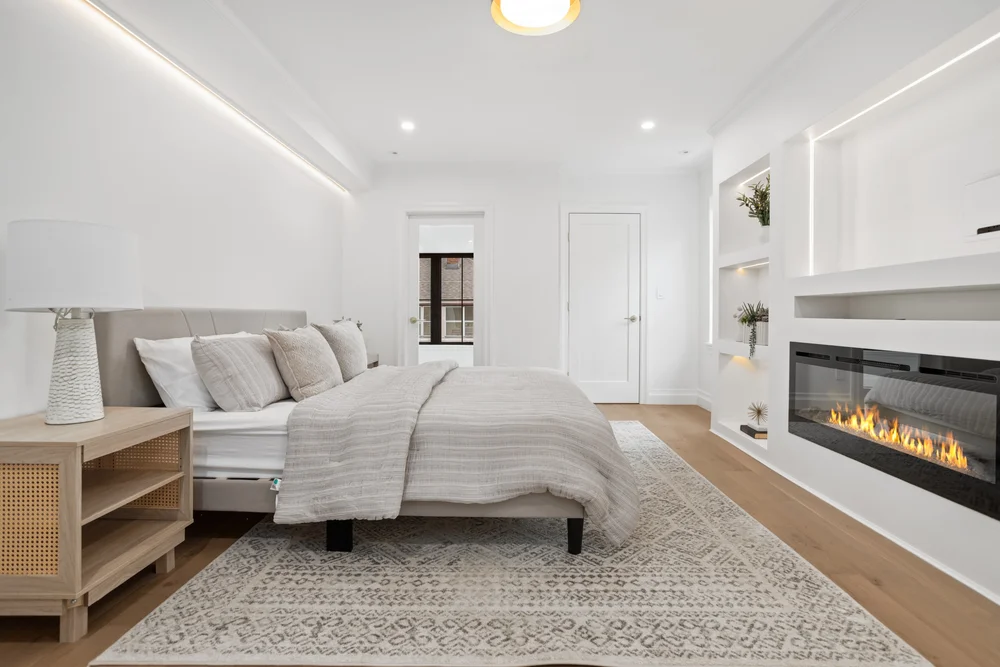
The construction process itself should also reflect sustainable practices. Cabinets that are built to last with strong joinery and durable finishes will not only stand the test of time but will also minimize the need for replacements and reduce waste. Low-VOC (volatile organic compounds) paints and stains are another essential aspect to consider, as they contribute to better indoor air quality and are less harmful to the environment.
Incorporating energy-efficient features into your cabinetry can further enhance sustainability. Options such as LED lighting and eco-friendly hardware choices not only reduce energy consumption but can also add to the overall aesthetic, offering a modern touch to your design.
Remember, sustainable cabinetry doesn't mean compromising on style. With a wide array of materials and finishes that cater to green building standards, you can achieve a look that's both elegant and environmentally conscious. By making informed choices, you'll ensure that your home renovation stands as a testament to both impeccable taste and a commitment to sustainability.
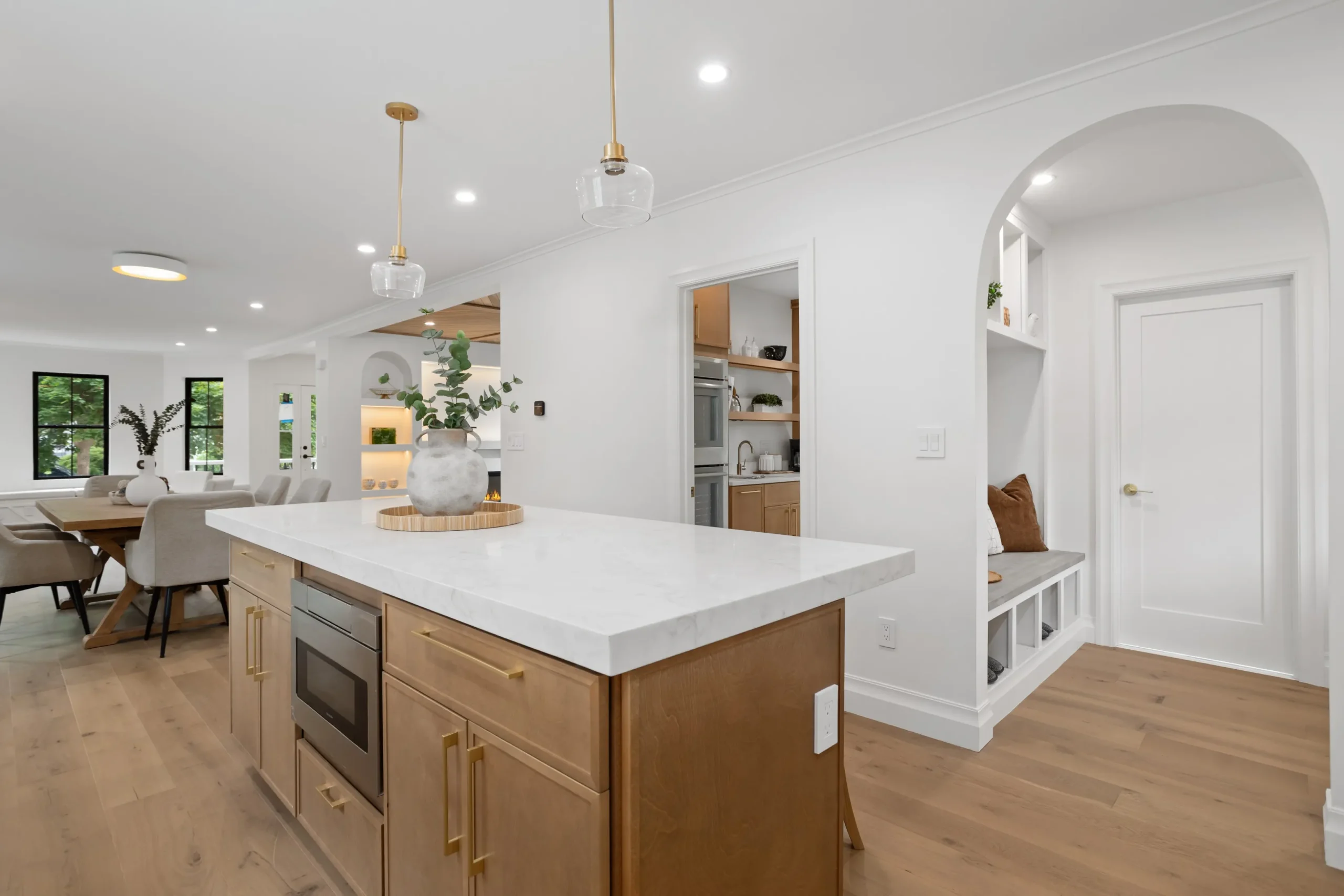
When considering cabinetry for your home renovation or development project, understanding the material quality and sustainability is imperative. As we become increasingly eco-conscious, the demand for environmentally friendly cabinetry materials has escalated, driving innovation in sustainable practices.
One pivotal advancement is the adoption of responsibly sourced wood. This involves choosing wood from forests that are managed with long-term sustainability in mind, thereby minimizing environmental impact. Certifications like the Forest Stewardship Council (FSC) verify that wood products are harvested in an eco-responsible manner. Additionally, some manufacturers are turning to reclaimed wood, which not only diminishes the necessity for new timber but also imparts a distinctive aesthetic with historical significance.
Another significant progression is the innovation in composite materials, which merge natural fibers such as bamboo or agricultural byproducts with synthetic resins. These composites are formulated for longevity and typically derive from rapidly renewable resources, lessening the overall ecological footprint. The technology underpinning these materials has progressed, facilitating a spectrum of textures and finishes that can either emulate traditional wood or introduce brand-new design opportunities.
Enhancements in cabinetry construction extend to the adhesives and finishes employed. The shift towards Low-Volatile Organic Compound (VOC) adhesives and finishes is gaining traction, enhancing indoor air quality and curtailing noxious emissions. Some manufacturers are venturing into bio-based resins and natural oil finishes, which offer an even smaller environmental impact.
Sustainable Technologies in Cabinetry
The integration of intelligent manufacturing technologies leads to enhanced precision in cuts and diminished material waste. Techniques such as computer-aided design (CAD) and automated cutting machinery maximize material utilization, slashing the volume of scrap and the demand for additional resources.
For residential homeowners planning kitchen, bathroom, or home renovation projects, and professional builders and developers seeking reliable trade partners for construction timelines, selecting cabinetry that incorporates these technologies not only bolsters the sustainability of your endeavor but also exemplifies responsible consumption. It represents a dual investment in the caliber of your living space and the well-being of our planet.
When embarking on a renovation project, whether as a homeowner or a professional in the building industry, the quality and sustainability of materials should be at the forefront of your purchasing decisions. Selecting cabinetry that not only meets your aesthetic and functional needs but also aligns with environmental responsibility, requires a partnership with cabinet makers who share these values.
To ensure that your cabinetry choices contribute to a greener future, it's crucial to engage with manufacturers who source materials from certified sustainable suppliers. These suppliers should adhere to responsible forestry practices, such as those certified by the Forest Stewardship Council (FSC) or similar organizations. Look for cabinet makers who are transparent about the origin of their wood and are committed to using materials that have a reduced impact on the planet.
The use of non-toxic adhesives and finishes is another aspect of sustainable cabinetry that cannot be overlooked. Volatile Organic Compounds (VOCs), commonly found in traditional cabinet construction, can have long-term health implications and contribute to poor indoor air quality. Seek out cabinet makers who offer low-VOC or VOC-free options to ensure a healthier living environment.
In addition to material quality, the manufacturing process itself should be scrutinized. Cabinetry that is built to last not only reduces the need for frequent replacements but also limits resource consumption over time. Durability and craftsmanship go hand-in-hand with sustainability, as well-made cabinets will stand the test of time, reducing waste and demand for raw materials.
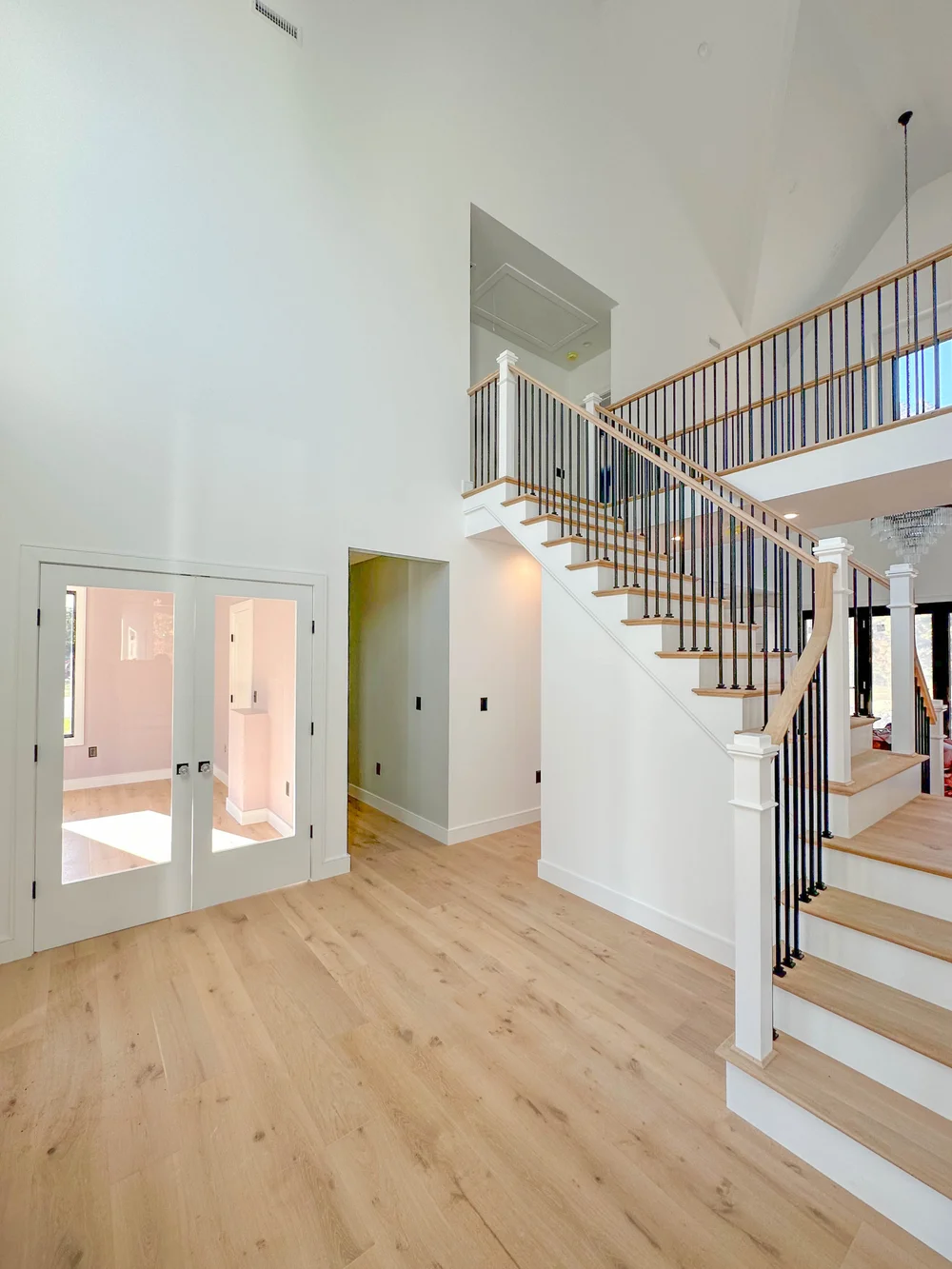
Finally, consider the end-of-life of the product. Manufacturers that design with disassembly and recyclability in mind are looking toward the future. By choosing cabinetry that can be easily recycled or repurposed, you are supporting a circular economy and decreasing the environmental footprint of your renovation project.
When you prioritize these factors in your cabinetry selection, you contribute to a more sustainable industry while ensuring that your renovation stands as a testament to both quality and ecological consciousness.
When selecting sustainable cabinetry, it's crucial to assess the wood source. Look for certifications like FSC or PEFC, which guarantee the wood comes from responsibly managed forests. Understanding these certifications can influence your purchase, ensuring you contribute to forest conservation while obtaining high-quality cabinets.
The safety of cabinetry finishes is paramount for a healthy home environment. Sustainable cabinets should have low-VOC or no-VOC finishes, reducing indoor air pollution and potential health risks. By choosing cabinetry with eco-friendly finishes, you not only protect your family but also support environmentally responsible manufacturing practices.
Durability is a cornerstone of sustainability in cabinetry purchases. Well-crafted cabinets that stand the test of time reduce the need for frequent replacements, thus minimizing waste. Inspect the joinery and construction methods to ensure that your cabinetry investment is both aesthetically pleasing and built to last for years to come.


When assessing material quality for sustainable cabinetry, its important to consider the source of the wood, the type of adhesives and finishes used, and the manufacturing process. Look for cabinets made from sustainably sourced or reclaimed wood, non-toxic, low-VOC adhesives and finishes, and manufacturing practices that minimize waste and energy consumption.
Homeowners can ensure sustainability by purchasing cabinetry that has certifications from recognized organizations such as the Forest Stewardship Council (FSC) or GREENGUARD. These certifications confirm that the products meet rigorous environmental and health standards. Additionally, homeowners should research the companys sustainability practices and materials used.
Sustainable cabinets offer long-term benefits such as improved indoor air quality due to reduced off-gassing of harmful chemicals, durability that leads to less frequent replacements, and the potential for increased property value. For professional builders, using sustainable cabinets can enhance their reputation for responsible building practices and can attract environmentally-conscious clients.